
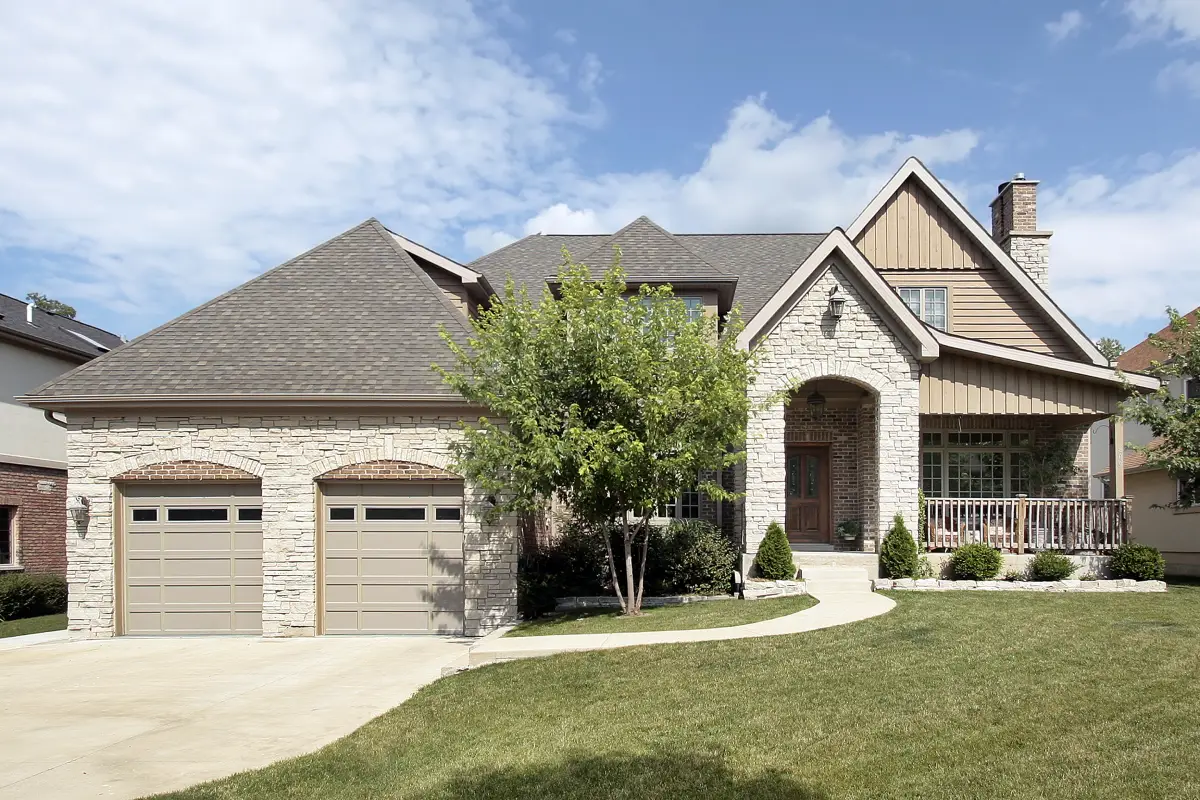
In Raleigh, a clear plan and the right property type can keep your rentals running smoothly, and our guide on investment property tips helps set that foundation from the start. At PMI Capital City RTP, we see the same pattern again and again: single-family homes tend to deliver steadier operations, fewer daily disruptions, and pricing flexibility that’s harder to match in multifamily settings.
That doesn’t mean multifamily is “bad” or that single-family is “perfect.” It means the work, the risk, and the resident experience often look very different, and those differences affect your time, margins, and momentum. Below, we’ll break down what single-family rentals can do especially well in Raleigh, NC, and how to think about the trade-offs like a long-term residential investor.
Key Takeaways
- Single-family rentals in Raleigh often create fewer tenant-to-tenant issues and fewer recurring headaches.
- Private space and flexible layouts can improve retention and reduce turnover costs.
- Detached homes typically allow more individualized pricing and less internal competition.
- Maintenance planning is simpler when building systems aren’t shared across multiple units.
- Owners keep more operational control, which supports consistent performance over time.
Start With the Day-to-Day Reality: Density Changes Everything
The biggest difference between single-family and multifamily isn’t a spreadsheet line item, it’s how often friction shows up. Lower density usually means fewer conflicts, fewer shared responsibilities, and fewer situations that escalate quickly.
With a single-family home, residents aren’t sharing a hallway, stairwell, parking structure, or laundry room. That reduces the “neighbor factor” that can turn small issues into ongoing disputes. In multifamily properties, even well-run buildings can experience repeated complaints tied to noise, parking, trash, pet policies, and common-area expectations.
Why fewer shared spaces matters
When residents don’t feel like they’re living on top of each other, they tend to treat the space as home, not a short-term landing spot. That mindset helps with lease renewals and overall care of the property.
Outdoor Space That Residents Actually Use
Single-family rentals often win in Raleigh because outdoor space is a true lifestyle feature, not a marketing photo. A yard, patio, or even a usable porch can change how a home feels day to day, especially for households that value privacy.
This advantage shows up in applicant quality, too. Residents who want private outdoor space are frequently planning to stay longer. They’re choosing a home for how it supports their routines, not just because it’s available.
Practical benefits owners feel
A resident who can host friends outside, let a dog run safely, or garden on weekends is often more satisfied. Higher satisfaction tends to mean fewer move-outs driven by “we need more space” or “we want something quieter.”
Layout Flexibility That Keeps Tenants in Place
Raleigh has a wide mix of renters, young professionals, growing families, remote workers, and households blending work and home life. Single-family floor plans can flex with those changes.
Multifamily units can be efficient, yet they’re often limited in layout variety. A two-bedroom is a two-bedroom, and the building might have many units that feel nearly identical. A single-family home, on the other hand, can offer bonus rooms, dens, finished attics, or a separation between living spaces that makes long-term living easier.
What “flexible” really looks like
A spare bedroom becomes a home office. A loft turns into a workout corner. A dining room becomes a homework station. When residents can adapt within the same home, they don’t need to move the moment life shifts.
If you’re mapping out an investor’s approach for your next purchase, our post on Raleigh investing strategies pairs well with this idea, because layout and livability directly influence performance.
Pricing Power Without Competing With Yourself
Multifamily properties often face internal competition. When multiple units are similar, pricing becomes a constant balancing act. If one unit sits vacant, adjustments can ripple through the building’s entire rent strategy.
Single-family homes usually compete at the neighborhood level instead. That means pricing can reflect a specific home’s features, finishes, yard, parking, school proximity, and overall condition. You’re not forced into a “unit stack” comparison where residents can simply choose the same layout two doors down for less.
National pricing trends also support this distinction. According to the National Association of REALTORS®, the national median existing single-family home price was $426,800 in the third quarter of 2025, a signal of ongoing demand for detached housing. On the rental side, Zillow reported single-family rents were 20% higher than multifamily rents, highlighting how renters continue to pay a premium for the single-family experience.
Maintenance That’s Easier to Predict and Budget
Every rental needs upkeep, yet the structure of maintenance changes dramatically between property types. Single-family homes typically isolate repairs to one household. Multifamily properties often involve shared systems where one issue can affect multiple residents and require coordination across schedules.
In single-family rentals, it’s easier to diagnose problems quickly and schedule repairs without navigating several households. That translates into smoother vendor coordination, clearer budgeting, and less “domino effect” maintenance.
Here’s where shared infrastructure in multifamily can raise complexity:
- Shared plumbing lines can require access to multiple units for one repair.
- Common electrical or lighting issues can generate multiple complaints at once.
- Shared roofs, stairwells, or exterior systems can trigger layered responsibility and timing challenges.
For a clearer way to assess how expenses affect returns, our guide on rental analysis methods can help you evaluate what “predictable” really means in your numbers.
Vacancy Pressure and the “Same-Unit” Problem
Vacancy is expensive, and the competitive environment matters. Multifamily owners often compete against their own availability. When several units open at once, concessions and pricing adjustments can become the fastest way to fill them.
Single-family rentals generally don’t have that concentration risk. A home becomes vacant, you market that one home. You’re not trying to fill five similar units in the same week while prospects compare floorplans that are nearly identical.
What this can mean in Raleigh
In many Raleigh neighborhoods, well-presented single-family homes draw attention from residents who specifically want detached living. When you pair that demand with professional marketing and pricing accuracy, vacancy pressure can ease.
Insurance and Risk Can Feel More Straightforward
Risk management is part of every investment, yet single-family rentals often come with fewer shared-liability scenarios. With multifamily properties, more shared spaces can introduce more ways for issues to arise, and more stakeholders may be involved depending on ownership structure.
Single-family homes can simplify coverage decisions because the property’s systems, access points, and resident responsibilities are easier to define. It’s still important to tailor coverage correctly, but the structure is often less complex.
Scaling at Your Own Pace
Many residential investors prefer growth that’s steady, not sudden. Single-family rentals make it easier to expand one property at a time, test a neighborhood, and refine systems before adding another door.
This style of scaling also fits Raleigh’s market variety. You can build a portfolio across different areas, price points, and resident profiles while staying within a residential-only strategy.
If you’re thinking beyond the purchase itself, our article on next steps after buying lays out a practical path from acquisition to stable operations.
Make Decisions With ROI, Not Guesswork
When you’re comparing single-family and multifamily opportunities, clarity matters. The best decision is the one that fits your risk tolerance, your time availability, and your performance goals.
A quick way to ground your projections is to run scenarios using the ROI calculation tool. It helps you pressure-test rent assumptions, expenses, and return expectations before you commit.
To keep your evaluation balanced, focus on:
- The quality and durability of tenant demand in that neighborhood
- The operational complexity you’re willing to manage
- The pricing flexibility you’ll have year over year
- The maintenance profile of the property’s age and systems
The Raleigh-specific lens
Raleigh’s job growth, university presence, and lifestyle appeal can support strong renter demand, yet neighborhood selection still drives outcomes. A great home in the wrong spot won’t outperform an average home in the right one.
FAQs about Single-Family Rental Investing in Raleigh, NC
What tenant types most often choose single-family rentals in Raleigh?
Single-family rentals in Raleigh commonly attract families, remote professionals, and long-term renters who value privacy, extra living space, and neighborhood stability near schools, work hubs, and everyday conveniences.
Do single-family homes take longer to rent than apartments in Raleigh?
When priced accurately and marketed well, detached homes often lease just as quickly, or faster, because they face less direct competition and appeal to renters specifically seeking single-family living.
Are single-family rentals more expensive to maintain than multifamily units?
Maintenance costs vary by property, yet single-family homes usually involve isolated repairs, which can simplify scheduling, reduce overlapping issues, and help owners manage expenses more predictably.
How should owners set rent for a single-family home in Raleigh?
Rent should reflect neighborhood demand, property condition, layout flexibility, and features like private yards or parking, using local data to balance competitiveness with long-term income stability.
What’s a smart first step before expanding a Raleigh single-family portfolio?
Owners should review operating systems, confirm expense patterns, and fine-tune pricing strategies to ensure each new property integrates smoothly into an already stable portfolio.
Turn Raleigh Rentals Into a Predictable Asset
Single-family rentals can be a powerful fit for residential investors who want control, steadier tenant demand, and fewer operational surprises. In Raleigh, that advantage often shows up through privacy, livability, pricing flexibility, and simpler maintenance planning.
At PMI Capital City RTP, we help residential owners build performance you can actually count on, without letting the workload take over your week. Schedule your owner strategy call through our owner services page, and let’s build a plan that fits your goals and your portfolio.