
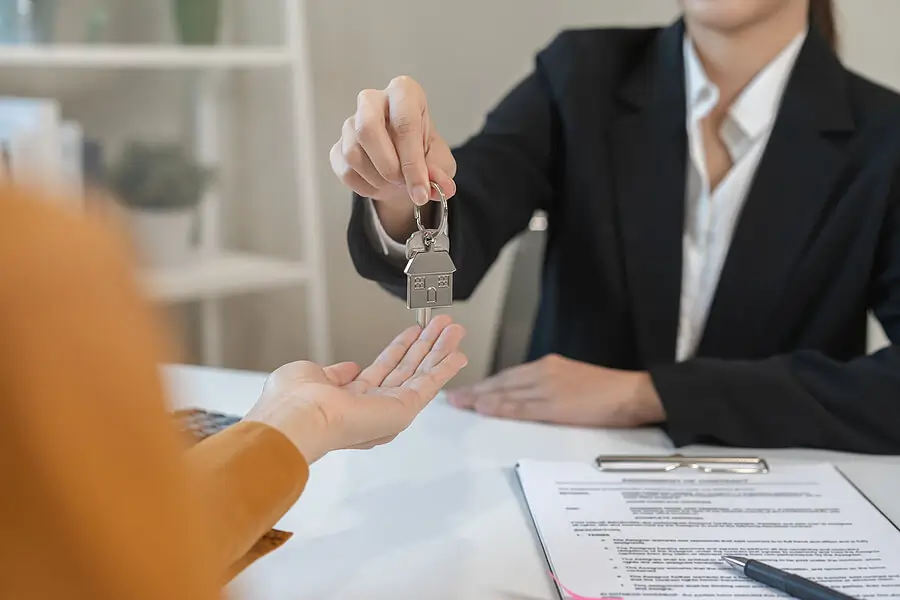
Early leasing decisions often focus on placing qualified renters, and many owners rely on a trusted tenant screening outsourcing option to get started. What tends to get overlooked is how tenant behavior after move-in shapes maintenance costs over time. In Raleigh, NC, tenants who keep to themselves and rarely raise concerns may seem easy to manage, yet that quiet approach can hide growing issues inside the property.
Without consistent updates from tenants, it becomes harder to spot early warning signs. Small concerns stay in place longer than they should, and by the time they are reported, they often require more extensive repairs. This creates added costs and makes it harder to keep your property in stable condition.
Paying attention to these patterns early gives you more control. Clear communication and simple reporting systems help bring issues forward sooner, so they can be handled before they escalate.
Key Takeaways
- Low-complaint tenants often delay reporting issues, increasing repair costs.
- Limited communication reduces visibility into property conditions.
- Small problems can grow into expensive repairs when ignored.
- Clear reporting systems improve response times and reduce downtime.
- Proactive management supports long-term property stability.
Why low-complaint tenants can increase long-term costs
Fewer complaints may seem like fewer problems, but that assumption can create blind spots. Raleigh properties experience seasonal weather changes, humidity, and steady system use. These conditions make early maintenance reporting essential.
When tenants stay quiet, small issues remain unresolved. A minor leak, weak airflow, or faulty appliance may continue to deteriorate behind the scenes.
This pattern reflects a larger national trend. Deferred maintenance continues to rise, with reported backlogs increasing from $51 billion to $76 billion. Delayed upkeep leads to higher costs and more complex repairs over time.
Staying informed about tenant behavior helps you avoid these long-term challenges.
Communication habits that reduce property awareness
Low-complaint tenants often share similar communication patterns. These habits make it harder to monitor your property effectively.
Minimal outreach
Some tenants rarely initiate contact. They wait until a situation becomes urgent before reaching out.
Slow responses
Delayed replies to maintenance questions create gaps in communication. This slows coordination and extends repair timelines.
Limited follow-up
Tenants may not follow up after reporting an issue. This can leave problems unresolved and increase the risk of repeat repairs.
Recognizing these patterns early through criminal background check steps can provide deeper insight into tenant behavior.
Small issues that turn into major repairs
Quiet tenants often tolerate minor problems instead of reporting them. These issues rarely stay small.
- Dripping faucets can lead to water damage
- Weak airflow may signal HVAC system strain
- Intermittent appliances often fail completely
- Minor leaks can result in mold or structural damage
In many properties, more than over 55% of maintenance activity is reactive. This means repairs often occur after problems escalate instead of when they first appear.
A proactive system helps reduce this cycle and maintain better property conditions.
Incomplete reporting slows down repairs
When tenants finally report issues, the information is often limited. This lack of detail creates delays and increases costs.
Missing timelines
Tenants may not explain when the issue started. Without this information, diagnosing the problem becomes more difficult.
Lack of context
Details about frequency, noise, or performance changes are often missing. These details are important for accurate repairs.
Multiple service visits
Incomplete reporting can lead to repeated visits. Each visit adds time, labor, and coordination costs.
Insights from leasing clues can help you better understand these communication gaps.
DIY fixes that create additional risks
Some tenants try to handle maintenance issues themselves instead of reporting them. While this may seem helpful, it often creates larger problems.
Temporary fixes rarely solve the root issue. Incorrect repairs can damage systems further or create safety concerns.
Encouraging tenants to report issues early helps ensure repairs are handled correctly and efficiently.
Passive acceptance allows problems to grow
Another common behavior is passive acceptance. Instead of reporting issues, tenants adjust to them.
They may live with inconsistent water pressure, weak cooling, or minor leaks. Over time, these conditions worsen and lead to more expensive repairs.
A structured evaluation, such as a property marketing strategy, can help identify performance gaps and improve overall property management.
Building systems that encourage early reporting
Improving communication requires clear expectations and accessible tools. Tenants need to understand that reporting small issues is part of maintaining the property.
- Provide simple reporting methods
- Respond quickly to maintenance requests
- Reinforce the importance of early reporting
- Keep communication consistent and accessible
Having systems supported by tools like a rental analysis tool helps you stay proactive.
Staying informed as a property owner
Visibility is essential for managing your investment effectively. When you stay informed, you can act early and avoid unexpected costs.
Regular updates and clear communication channels help you maintain control of your property.
Access to owner support resources allows you to stay connected and make informed decisions.
FAQs about Low-Complaint Tenants in Raleigh, NC
Why do some tenants avoid reporting maintenance issues?
Some tenants prefer not to cause inconvenience or believe small issues are not worth reporting. Others may assume problems will resolve on their own, which often leads to delays and more costly repairs later.
How can delayed reporting affect property condition over time?
When issues go unreported, damage can spread and worsen. This leads to more extensive repairs, higher costs, and longer downtime, which impacts both property condition and overall investment performance.
Are low-complaint tenants harder to manage than vocal tenants?
Low-complaint tenants can be harder to manage because their silence limits visibility. Without clear communication, it becomes difficult to identify and address issues before they escalate into larger problems.
What systems help improve tenant reporting habits?
Simple reporting tools, clear expectations, and quick responses encourage tenants to communicate early. These systems help ensure issues are addressed promptly and reduce the likelihood of costly repairs.
Can better screening reduce communication issues later?
Screening can help identify communication patterns, but ongoing systems are still necessary. Even well-screened tenants need clear guidance and easy reporting options to maintain consistent communication throughout the lease.
Clear Communication That Keeps Your Raleigh Rental on Track
Strong property performance depends on consistent insight into what is happening inside your rental. When issues are reported early, repairs stay manageable, and costs remain under control.
At PMI Capital City RTP, we focus on building systems that improve communication and reduce risk. We help place tenants who communicate effectively while providing tools that make maintenance reporting simple and efficient.
Take the next step and start screening better tenants with PMI Capital City RTP to keep your property running smoothly and avoid costly surprises.